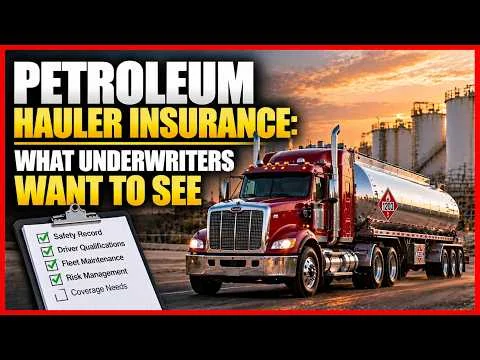
Petroleum Hauler Insurance: What Insurance Underwriters Look For
Video embeds are disabled. You can watch on YouTube or update Privacy choices.
Watch on YouTube
A fuel-hauling review follows the product from terminal pickup to customer delivery. Commercial auto, cargo and transportation pollution can answer different parts of a single loss, especially during transfer.
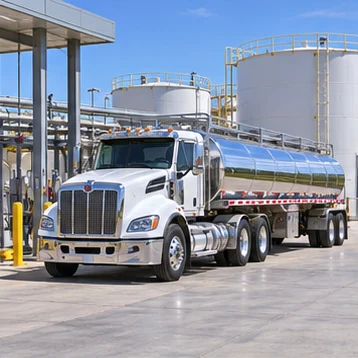
Describe who connects the hose, controls the valve and accepts product at each stop. A terminal-to-terminal load and a retail tank drop can involve different contracts, property and duties.
A rollover may create vehicle damage, lost product, third-party injury and cleanup costs. An overfill on a stationary delivery can raise a different set of questions. Trace each fact pattern through the forms and contracts before renewal.
Commodity list by percentage, delivery settings, owned and leased units, terminal agreements, representative delivery contracts and spill-response procedures. Flag any new product or loading responsibility.
Video embeds are disabled. You can watch on YouTube or update Privacy choices.
Watch on YouTube
Video embeds are disabled. You can watch on YouTube or update Privacy choices.
Watch on YouTube
Video embeds are disabled. You can watch on YouTube or update Privacy choices.
Watch on YouTubeOptional analytics helps us understand how the site is used.
YouTube embeds connect to YouTube when you open a player.