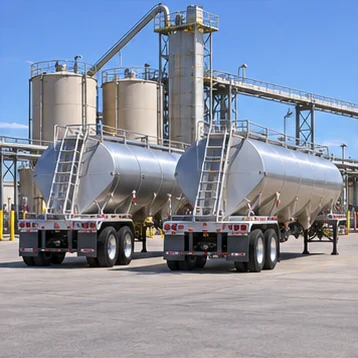
Commercial auto liability review starts with who may be insured, which autos qualify and how the operations fit the language. Compare the actual policy with the fleet schedule, contracts and applicable filing obligations.
Truck and trailer physical damage addresses damage to qualifying insured equipment under the applicable form. The customer’s equipment carried on a trailer raises a separate cargo and contract question.
Motor truck cargo insurance is reviewed against the property hauled and the carrier’s responsibility for that property. Commodity listings, valuation, custody and exclusions can materially affect the result.
Transportation pollution insurance review considers releases of material in transit or during related operations. Scope depends on the policy and may differ by pollutant, release location, timing and activity.
General liability can be relevant to premises and non-auto operations, subject to the policy. The distinction matters when a driver or crew also performs work at a customer site.
Umbrella and excess review is a layer-by-layer check of limits, underlying policies and coverage terms. The requested limit on a contract is only the starting point.
Workers’ compensation review starts with which people perform the work, where they perform it and how payroll and job duties are reported. Applicable requirements are state-specific.
When a loss occurs during loading or unloading, the facts about custody, equipment and who controls the work determine which policies and agreements need review.
A hauled excavator, drill or transformer should be reviewed according to ownership, custody and valuation. The tractor and trailer belong in a separate vehicle physical damage review.